Documenting Work: A Calm Approach to Photographing and Cataloging Art
Documenting Work: A Calm Approach to Photographing and Cataloging Art
Documenting artwork is a practical task that supports reflection, learning, and record-keeping. A calm and simple workflow reduces friction and ensures that images and notes remain useful over time. This guide outlines straightforward techniques for photographing work and maintaining a lightweight catalog.
Choose consistent lighting
Even, diffuse light reproduces colours and surfaces more faithfully than uneven illumination. Natural light from a north-facing window or a diffuse artificial source reduces harsh shadows. Position the artwork so the light falls evenly, and avoid mixed light sources that can shift colour balance.
Keep the camera perpendicular
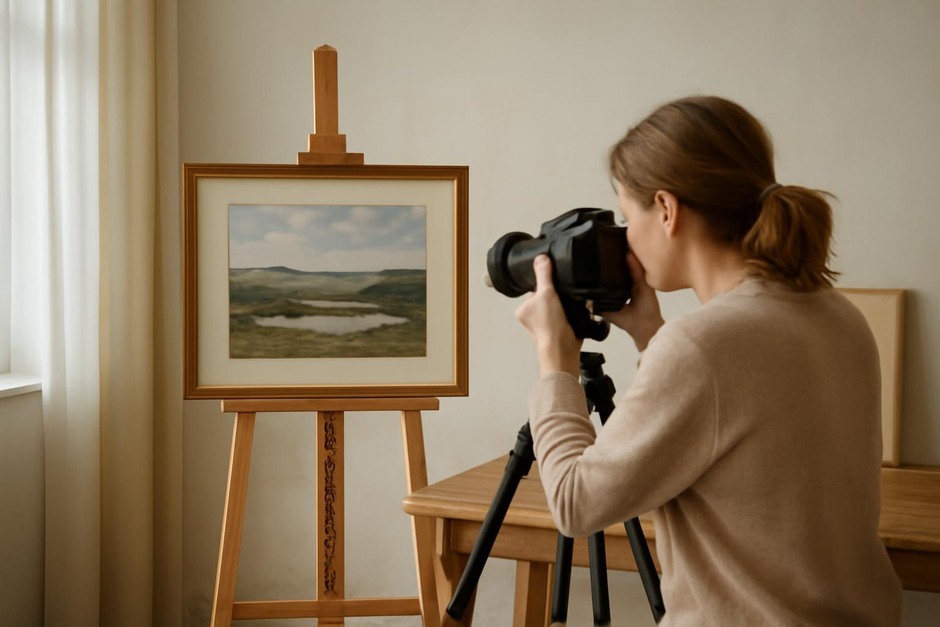
Align the camera plane parallel to the painting or drawing surface to avoid keystone distortion. Use a tripod and a spirit level if necessary. When photographing three-dimensional work, document multiple angles with consistent framing to record form and surface detail.
Mind scale and context
Include one image that shows the work in context and one close-up for surface and texture. A small scale reference like a labeled card can be useful in photographs, but keep it unobtrusive. Consistent framing across works simplifies comparison and cataloging.
Standardize file names and metadata
Develop a clear naming convention that includes date, medium, and a short title or identifier. For example, use the year, a sequential number, and a brief tag. Store metadata such as medium, dimensions, and brief notes in a companion text file or in the image metadata fields. Consistency makes retrieval easier.
Create a simple catalog system
A spreadsheet or lightweight database is sufficient for most studio workflows. Track key fields: title, date, medium, dimensions, file name, and short notes on process or next steps. Regularly back up this file to avoid accidental loss.
Record process notes
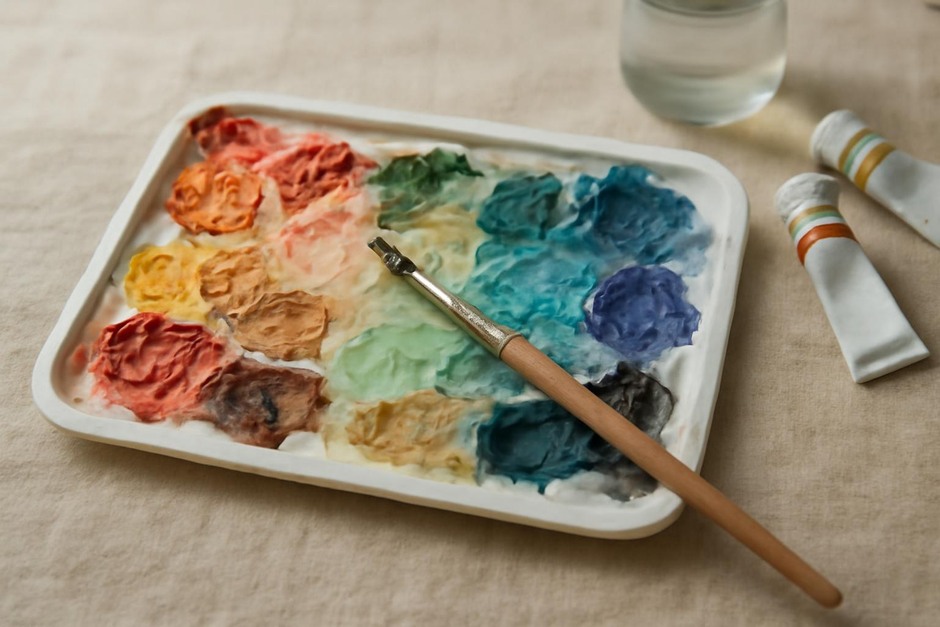
Short annotations about materials, mixtures, and decisions made during the work are valuable when you revisit the piece later. Note unexpected behaviors, drying times, or color shifts. These observations form a practical archive for future projects and troubleshooting.
Keep image files organized
Store high-resolution originals in a consistent folder structure, and create smaller, web-friendly versions for sharing or quick browsing. Label folders by year or series and avoid scattering images across multiple locations. Periodic housekeeping prevents duplicate or orphaned files.
Make documentation part of the routine
Set a simple habit: photograph and catalog work soon after completion or at a consistent milestone. Doing this while memory is fresh produces clearer notes and reduces backlog stress. A brief ten- to twenty-minute routine after a session is often sufficient.
Documentation is a quiet skill that supports reflection and growth. By standardizing lighting, framing, file naming, and notes, you build an accessible record of your practice. Over time this archive becomes a practical map of progress and a resource for making informed choices in future work.