Seeing Like an Artist: Practical Methods for Creative Observation
Seeing Like an Artist: Practical Methods for Creative Observation
Improving what you see is a foundational skill for visual practice. Observational ability can be trained with consistent, focused exercises that tune attention to shape, value, texture, and relationship. The methods here are practical, simple, and repeatable in daily life.
Limit the field of view
Restricting visual information helps isolate patterns. Use a small viewfinder cut from card or frame a scene with your hands. Working with a narrow slice of a subject encourages attention to local relationships and prevents the eye from being overwhelmed by extraneous detail.
Measure relationships
Relative measurement is a reliable tool. Hold a pencil at arm’s length and use it to compare proportions and angles. Measure the width of a feature against another dimension to judge relationships rather than relying on memory. Over time this habit improves proportion and placement in drawing.
Track values, not details
Light and dark patterns define form more consistently than line. Practice blocking in three or four value notes—dark, mid-dark, mid-light, light—to understand major volumes and relationships. Simplifying values early in a study clarifies structure and helps place subsequent detail with confidence.
Use timed studies for gesture
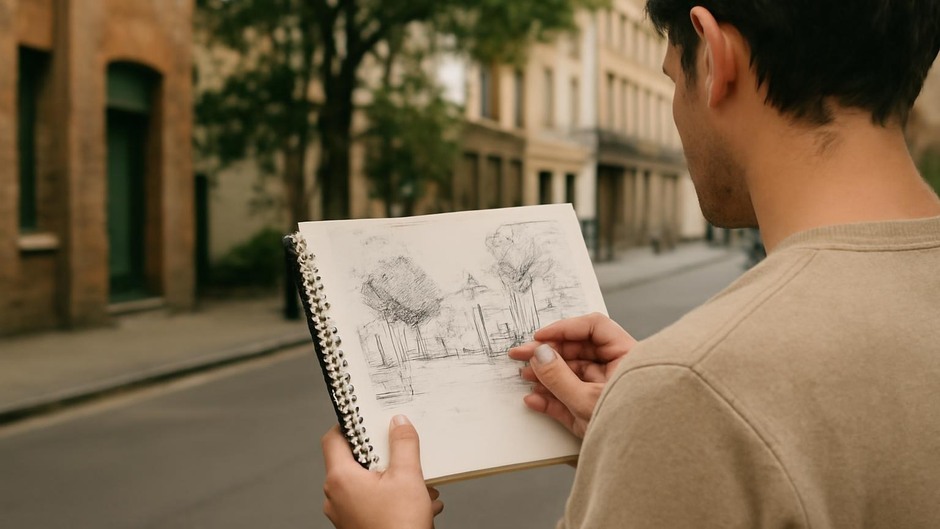
Short, timed sketches train the eye to capture essential movement and posture. Begin with 30-second to 2-minute gestures to record the main flow and tensions of a subject. These short studies prioritize economy and help develop a fluent hand that responds quickly to visual cues.
Annotate observations
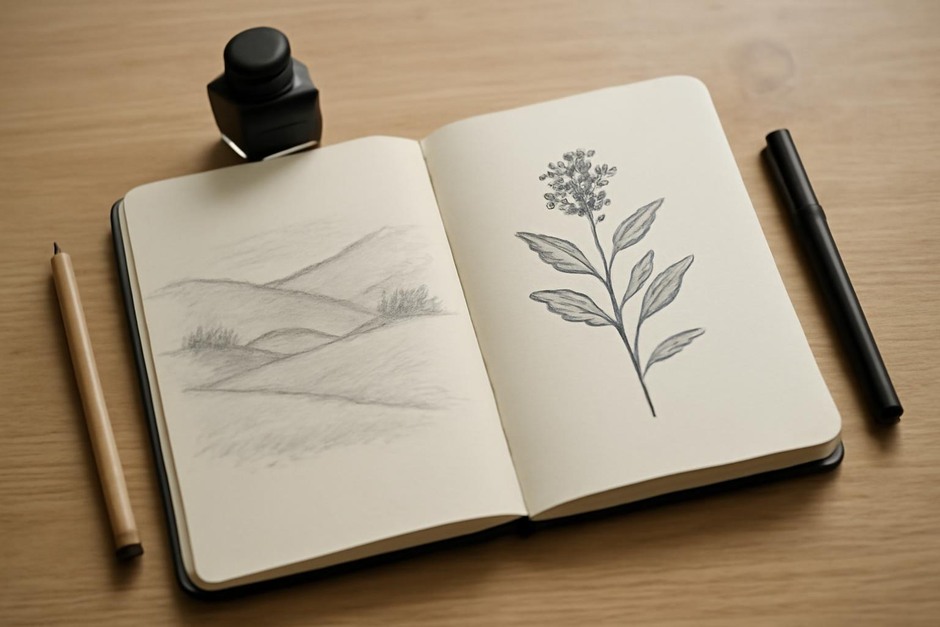
Adding brief notes next to studies consolidates what you notice. Mark the light source, unusual refractions of colour, texture cues, or structural adjustments. Annotation bridges seeing and thinking and creates a clearer memory linked to the image.
Preplan compositions
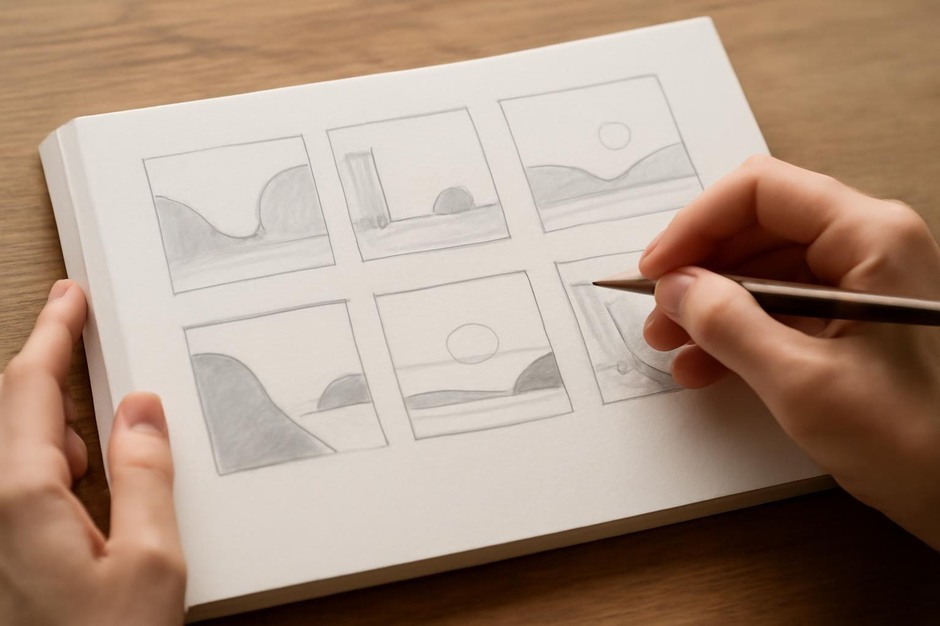
When observing for a finished piece, sketch several thumbnail compositions to explore cropping and focal points. Thumbnails are quick and inexpensive; they help you choose the most compelling arrangement and avoid overworking less effective ideas.
Practice with controlled limits
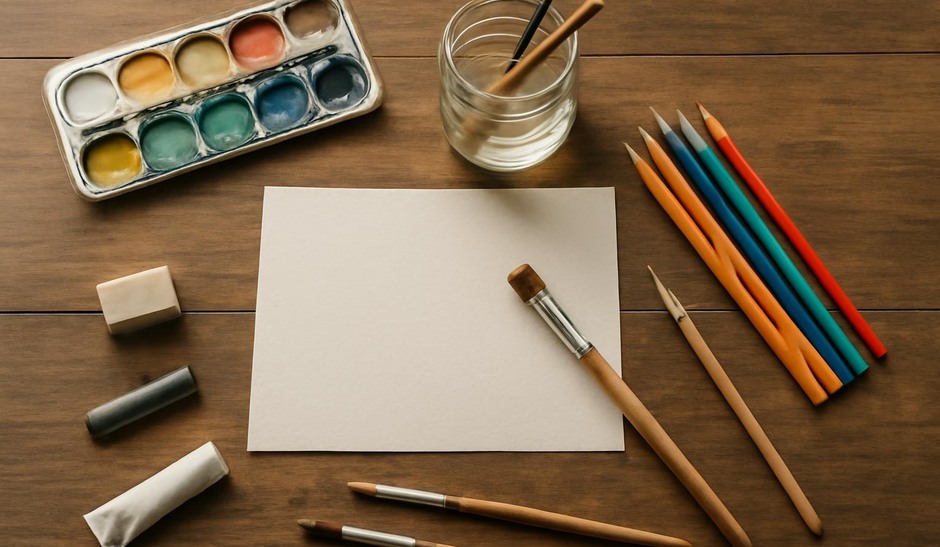
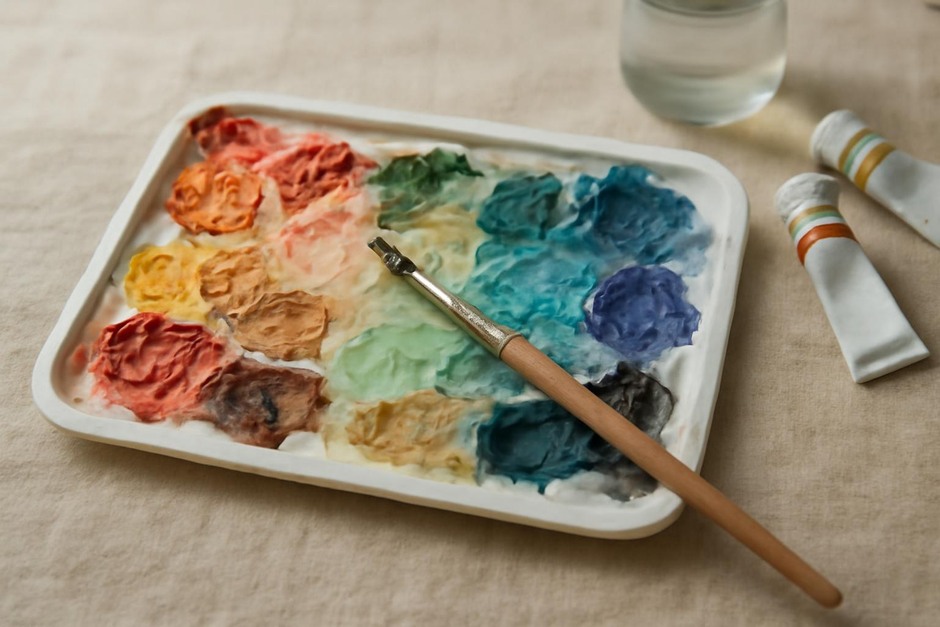
Impose constraints to sharpen observation: a single hue, a limited palette, or a single tool. Constraints focus attention on particular aspects of seeing, such as color relationships or edge quality, and produce learning that generalizes to more complex situations.
Look at work with intention
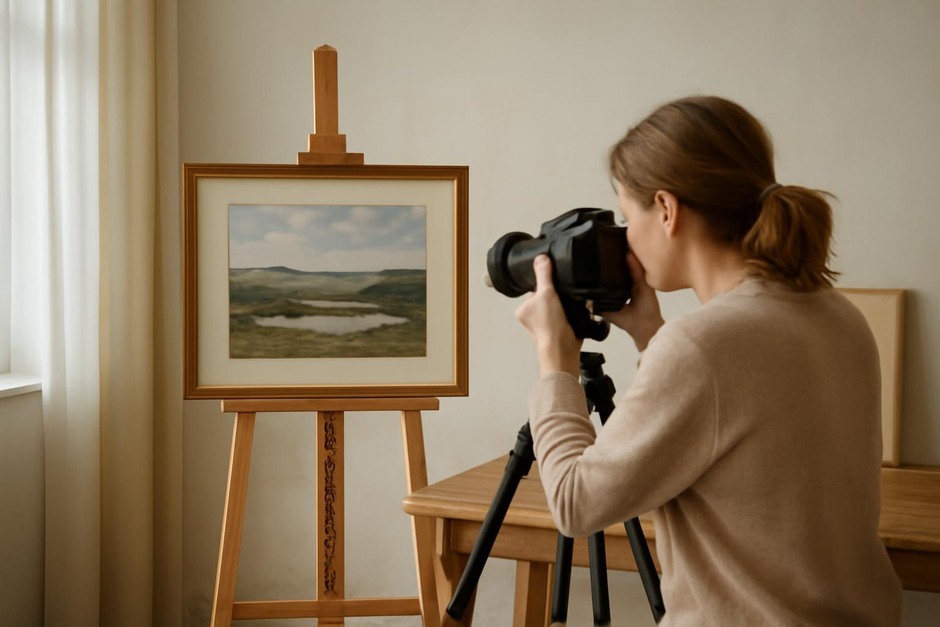
Study drawings and paintings with the same questions you ask of life: how is space organized, where does the eye rest, what marks suggest texture or light? Reverse-engineering finished work strengthens perceptual vocabulary and provides techniques to apply in your own studies.
Observational skill is a steady accumulation of small, directed practices. Regular, mindful looking—paired with simple exercises and gentle constraints—builds a sharper, more reliable visual sense. The result is greater confidence in decisions and a clearer link between what you see and how you make.