Everyday Materials: Making the Most of Basic Art Supplies
Everyday Materials: Making the Most of Basic Art Supplies
Good work is less about expensive equipment and more about consistent use of reliable tools. Basic supplies are often ideal for developing technique, and thoughtful care of those tools extends their usefulness. This guide focuses on selection, maintenance, and practical substitutions that keep practice steady and effective.
Prioritize a compact kit
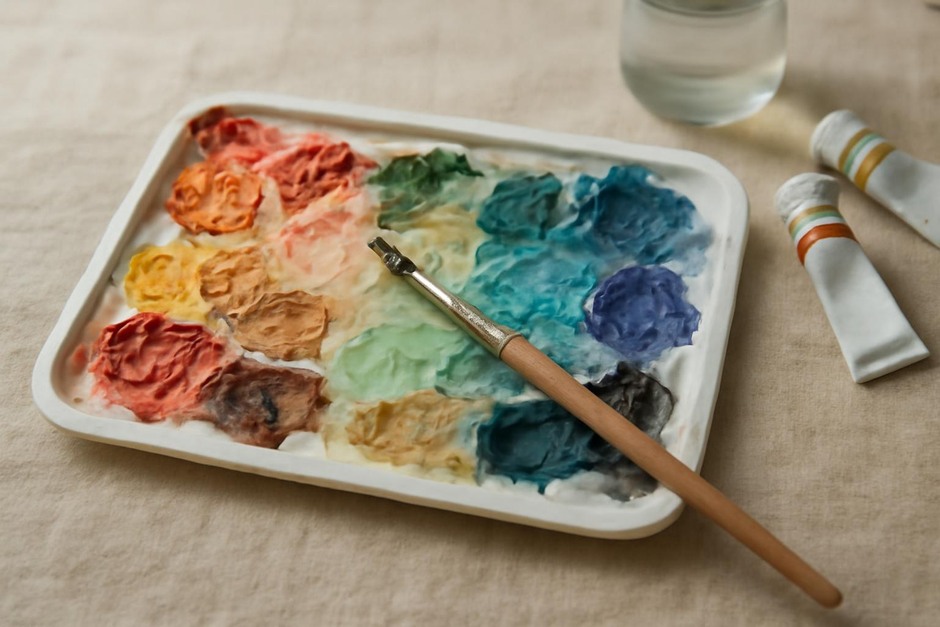
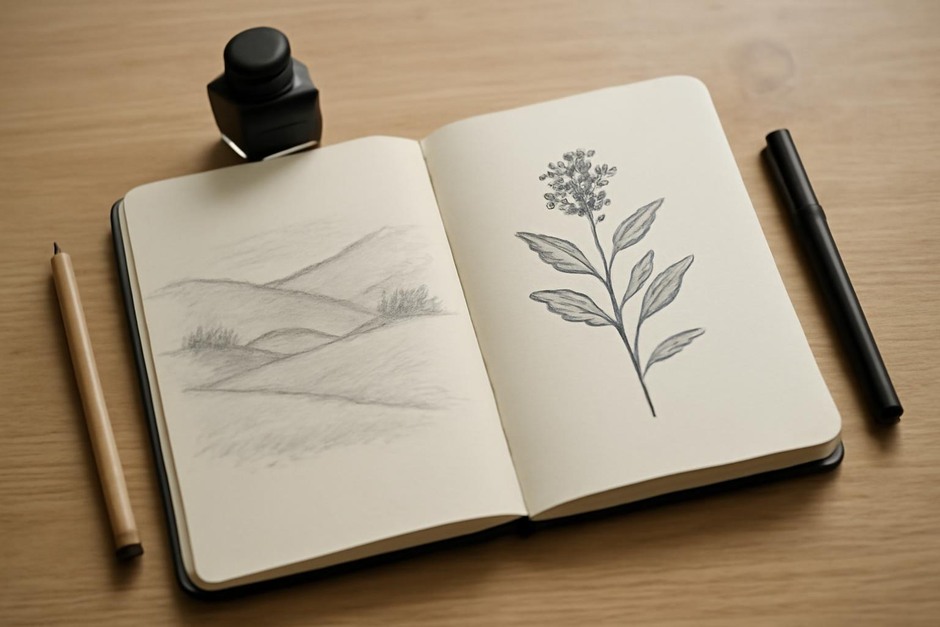
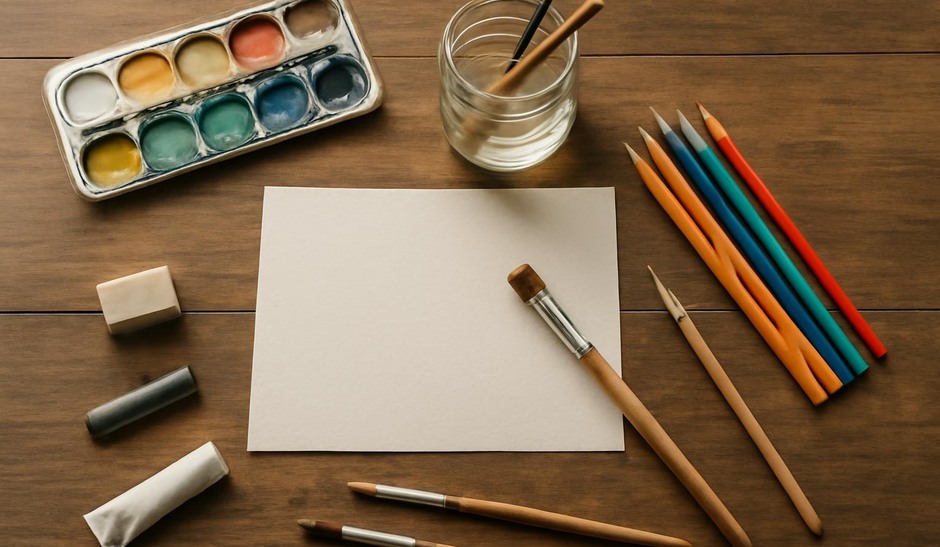
A smaller set of reliable tools reduces decision fatigue and encourages practice. For drawing, a few graphite grades, a mechanical pencil, an eraser, and a sketchbook cover many needs. For painting, a limited tube set, a small palette, a few brushes in different shapes, and a jar for water or solvent are sufficient to explore many techniques.
Choose versatile tools
Opt for materials that serve multiple purposes. A mid-range neutral grey pencil can render value and line; a flat brush can lay washes and create edges; a limited palette of pigments can mix a wide range of tones. Versatility increases the usefulness of each item in the kit.
Maintain and repair
Simple care preserves performance. Clean brushes promptly and reshape them before storing. Keep pencils sharpened and erasers clean. Replace or repair what fails: tighten loose ferrules on brushes, rebind or reinforce a favorite sketchbook, and stretch small canvases instead of discarding them when edges warp. Small repairs are often faster and greener than replacement.
Make economical substitutions
Common household items can serve in a pinch. Coffee stirrers, old toothbrushes, and recycled jars can be useful tools. Paper towels or rags serve as effective blotters. These substitutions encourage experimentation and reduce dependence on specialized tools for every effect.
Understand materials’ limits
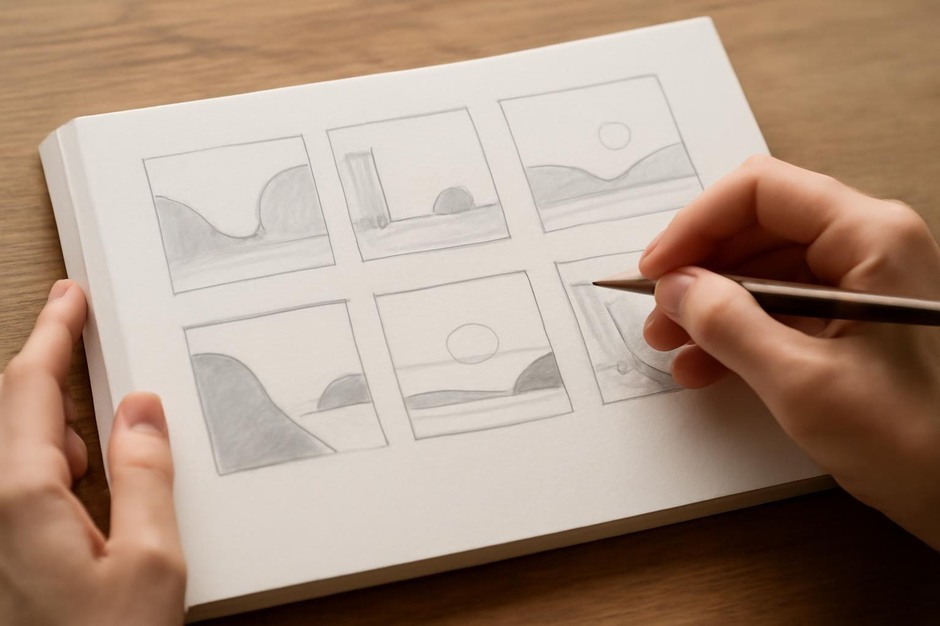
Know what your materials can and cannot do. Cheap brushes may hold less water and wear faster, and certain pigments have limited lightfastness. Use less costly materials for sketching and test work; reserve higher-quality supplies for pieces intended for longer-term display or sale. Learning each material’s behavior is part of technical development.
Organize for workflow
Arrange a small, consistent workspace so starting is simple. Keep frequently used items within reach and establish a cleaning habit at the end of a session. An ordered space reduces friction and supports regular practice.
Document and label
Label mixed colours, note media ratios, and record any peculiar behavior you observe. A small log of successful mixtures and care routines saves time and helps reproduce results. Over time this documentation becomes a practical manual for your own materials and methods.
Working well with everyday materials is a skill in economy and attention. Select versatile tools, care for them thoughtfully, and embrace simple repairs and substitutions. These habits make practice reliable and resourceful, allowing the focus to remain on observation and making rather than on continual replacement of supplies.